🧪 Laboratory Equipment for Scientific Research
Scientific laboratories—whether in universities, research institutes, hospitals, or industrial R&D facilities—depend on a wide range of equipment to conduct experiments, gather accurate data, and ensure safety. This equipment can be broadly grouped into categories based on function, complexity, and scientific discipline.
📌 1. Core Laboratory Equipment
General-Purpose Instruments
These are foundational tools used across multiple scientific fields:
-
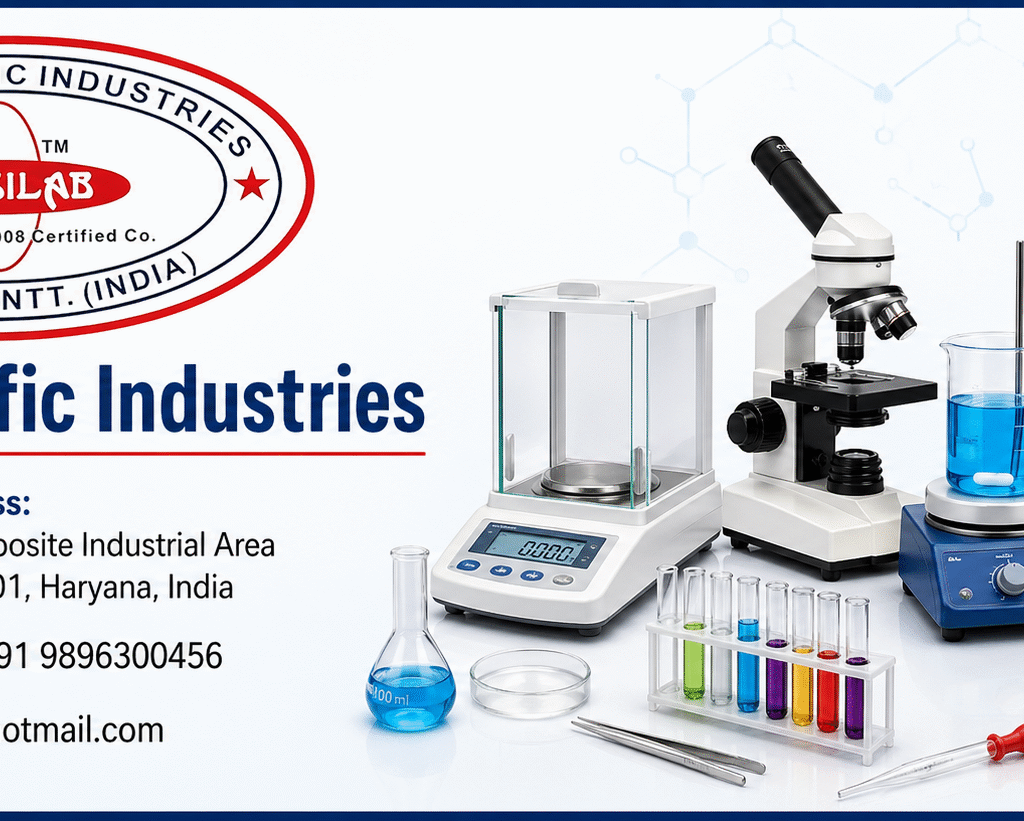
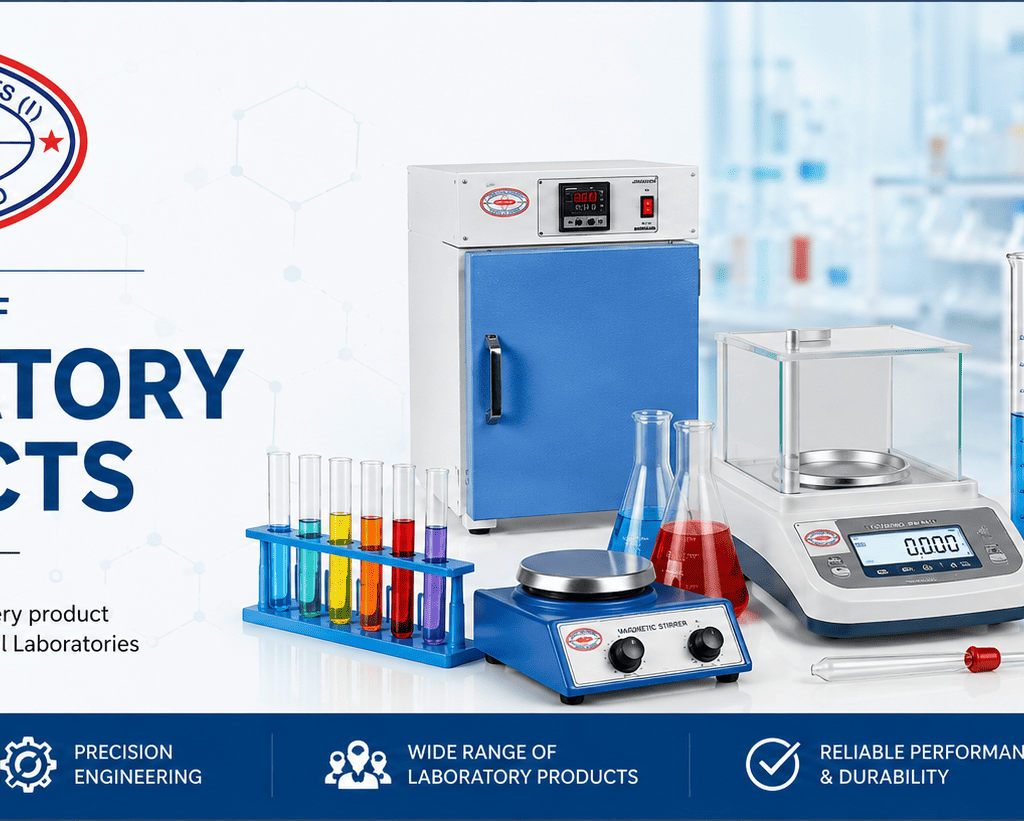
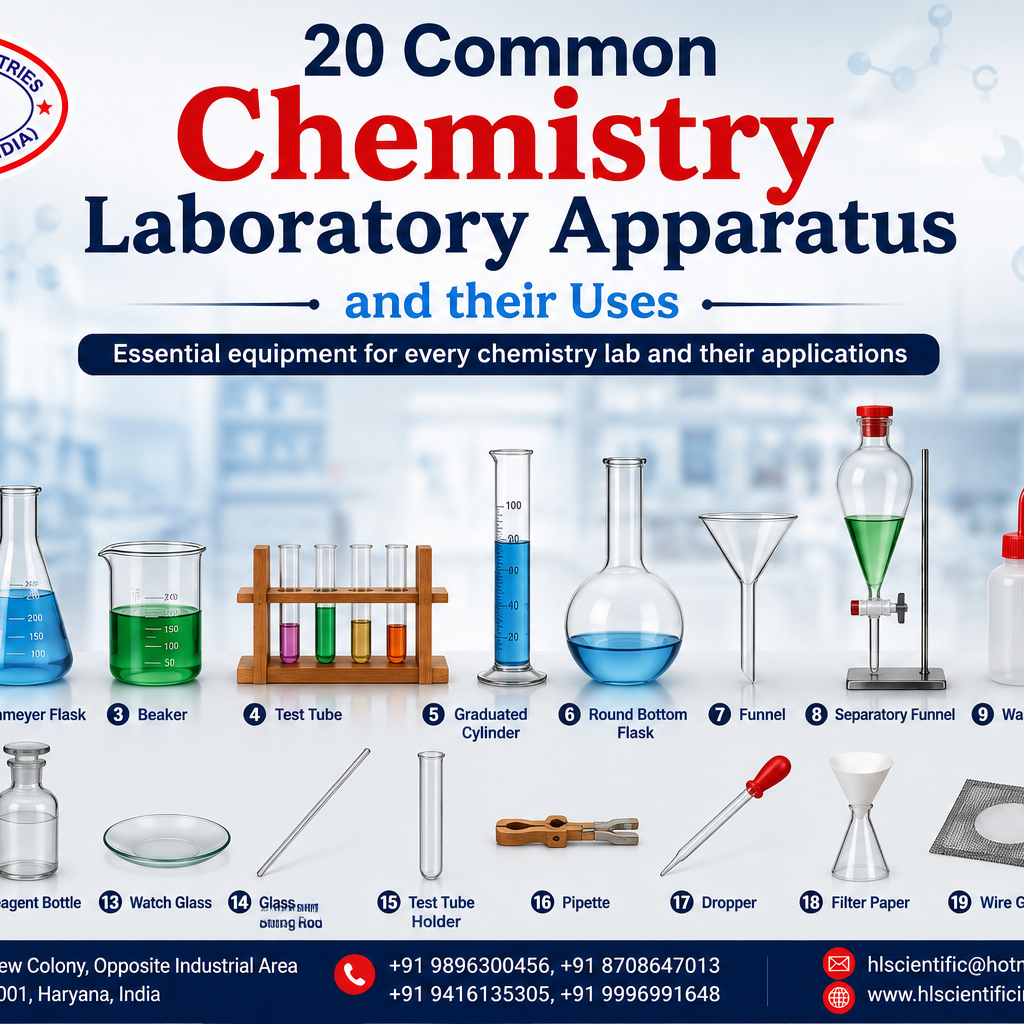
Glassware & Plasticware – Beakers, flasks (Erlenmeyer and volumetric), test tubes, pipettes, burettes, and cylinders for measuring, mixing, heating and storing substances.
-
Balances & Scales – Analytical and precision balances for accurate mass determination.
-
Heating & Cooling Devices – Hot plates, water baths, dry ovens, vacuum ovens, refrigerators, and incubators support temperature-controlled experiments.
-
Centrifuges – Separate components in mixtures by spinning samples at high speed for biology, chemistry, and medical testing.
-
Safety Equipment – Fume hoods, safety goggles, gloves, and first-aid kits protect researchers and maintain safe environments.
Measurement & Analytical Tools
These provide precision data and are essential for research outcomes:
-
Spectrophotometers – Measure light absorption to quantify chemical concentrations.
-
pH/Conductivity Meters – Assess acidity, alkalinity, and ionic properties of solutions.
-
Colony Counters & Turbidity Meters – Used in microbiology and environmental studies to evaluate samples.
-
Electrophoresis Units – Separate DNA, RNA, or proteins for molecular biology research.
📌 2. Discipline-Specific Equipment
Physics & Engineering Labs
-
Interferometers, GM counters, LCR bridges, electrical measurement kits, and optics benches support experiments in mechanics, optics, and electronics.
Biology & Life Sciences
-
Advanced microscopes (from compound to fluorescence), incubators, autoclaves (for sterilization), and biological models support cellular and organism-level studies.
Pharmacy & Clinical Research
-
Tablet making machines, stability chambers, biochemical incubators, colorimeters, and clinical centrifuges assist formulation and quality testing in pharmaceutical sciences.
🏭 H.L. Scientific Industries
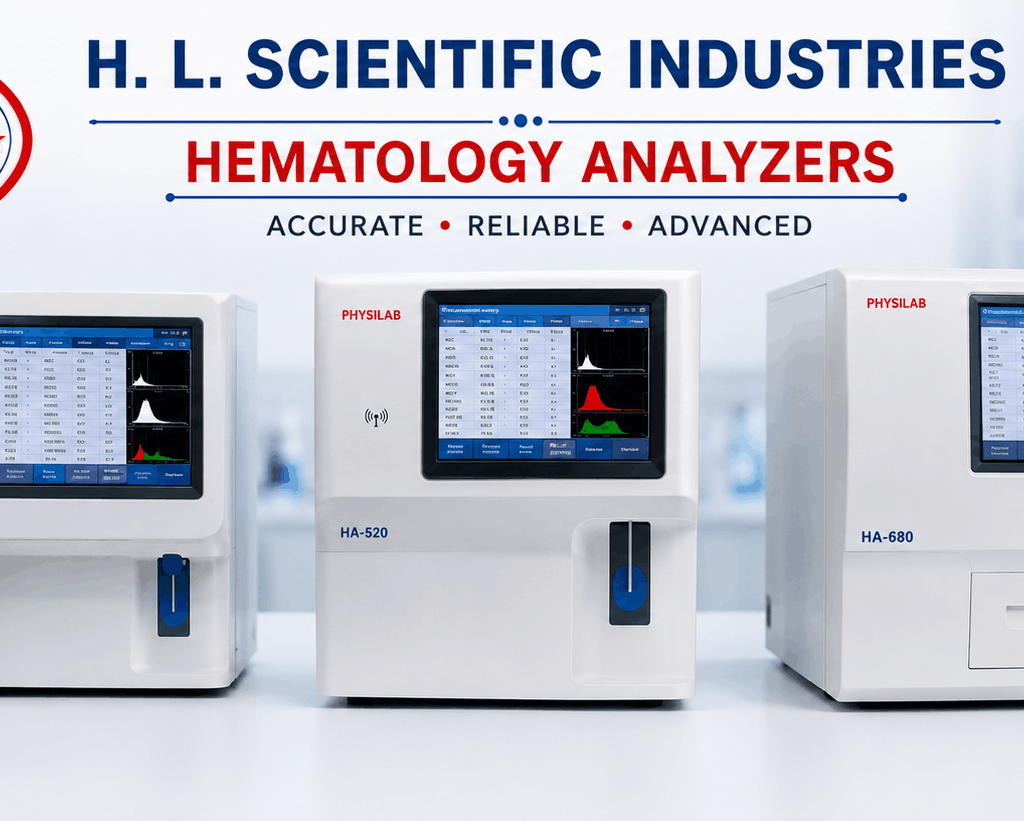
H.L. Scientific Industries is a laboratory equipment manufacturer and exporter based in Ambala Cantt, Haryana, India. The company has established itself over decades as a supplier of a broad range of scientific instruments catering to both domestic and global markets.
📌 Company Overview
-
Founded: 1963
-
Location: Ambala Cantt, Haryana, India
-
Certifications: ISO 9001:2008, CE, and GMP certified, signifying adherence to international quality, safety, and manufacturing standards.
-
Market Focus: Supplies educational institutions, research labs, hospitals, industrial R&D departments, and pharmaceutical labs.
-
Global Reach: Approximately 80% of products are exported to Asia, Europe, Africa, and the Middle East.
📦 Product Range
H.L. Scientific Industries offers an extensive portfolio of scientific and laboratory equipment, including but not limited to:
Research & Analytical Instruments
-
UV/VIS spectrophotometers
-
pH, conductivity, turbidity, and dissolved oxygen meters
-
Colony counters and flame photometers
-
Electrophoresis units and Karl-Fischer titrimeters.
Physics & Engineering Tools
-
Michelson interferometer apparatus
-
GM counters
-
LCR bridges
-
Electrical and training modules for teaching and research activities.
General Lab Equipment
-
Hot air ovens, humidity cabinets, vacuum ovens
-
Laminar air flow cabinets and centrifuges
-
Lab refrigerators and water stills.
Pharmacy & Clinical Devices
-
Tablet manufacturing machines (motorized and hand-operated)
-
Rotary shakers and incubators
-
Autoclaves and biochemical baths.
Biological & Model Equipment
-
Anatomical models (e.g., organs, anatomical structures)
-
Forensic and entomological models
-
Specialized research microscopy.
🔍 Why Laboratory Equipment Matters
Effective research depends on the right tools. Adequate laboratory equipment:
-
Ensures accurate, reproducible results so scientific conclusions are valid.
-
Improves safety for personnel and environment during risky experiments.
-
Supports innovation and discovery across biology, chemistry, physics, engineering, and interdisciplinary fields.